From Concrete to Canopy
The story of how we rediscovered what movement was always meant to be.
The Beginning
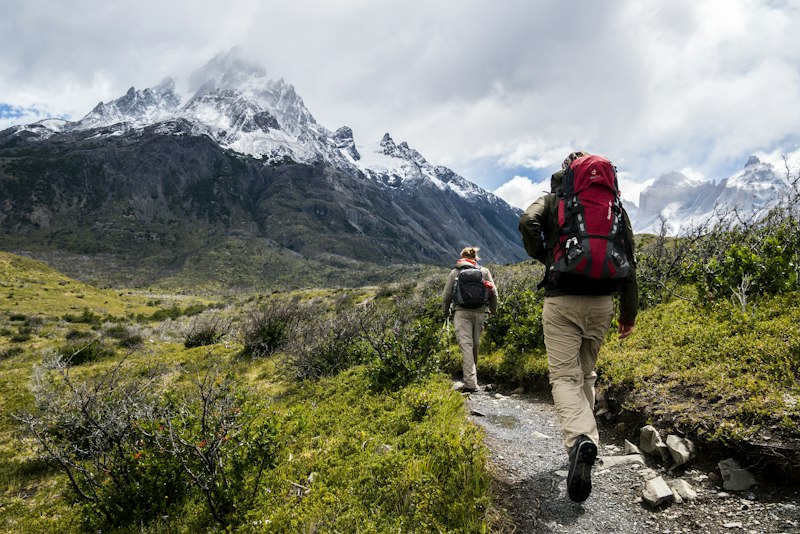
Atoll Vertex emerged from a simple realization: indoor fitness environments, while effective for some, disconnect us from the environments that shaped human physiology over millennia. Fluorescent lights and climate control cannot replicate what happens when your body adapts to wind, uneven ground, and changing weather.
Our founder spent years in conventional training facilities before a hiking injury forced a different approach. Recovery happened not in a clinic, but on gentle trails where balance, proprioception, and strength returned naturally.
What Guides Us
Adaptation Over Repetition
No two sessions are identical because natural environments constantly change. This variability can support better functional fitness than fixed routines.
Process Over Outcomes
We focus on sustainable practices rather than rapid transformations. Lasting wellness may develop through consistent, mindful engagement with movement.
Environment as Equipment
Trees, rocks, hills, and water become your training tools. This approach may help develop practical strength that transfers to daily life.
Individual Rhythms
Every person has different capacities and goals. Our programs adapt to where you are, not where a schedule dictates you should be.
Our Approach
Rather than prescribe standardized workouts, we assess your current movement patterns, discuss your objectives, and design programs that integrate with your life and local landscapes.
Sessions incorporate elements from multiple disciplines: trail running biomechanics, yoga philosophy, functional strength principles, and mindfulness practices. The combination can support both physical capacity and mental resilience.
We work with clients individually and in small groups, always maintaining ratios that allow for proper form guidance and personalized adjustments.
Who We Are
A small collective of movement specialists who share a commitment to nature-based wellness.
Jordan Hayes
Founder & Lead Guide
Background in sports rehabilitation and wilderness education. Specializes in trail conditioning and functional movement assessment.
Alex Chen
Yoga & Mindfulness Instructor
Trained in multiple yoga traditions with emphasis on outdoor practice. Focuses on breath work and somatic awareness.
Morgan Silva
Strength & Conditioning Specialist
Former competitive athlete turned functional fitness coach. Designs progressive resistance protocols using natural elements.
Ready to Step Outside?
Discover how outdoor training might fit into your wellness journey.
Explore Programs